Free inspections across Central Ohio
Storm Damage Roof Inspections & Repair in Columbus, Ohio
Hail, high winds, falling debris and wind-driven rain can affect metal and asphalt roofs—even when everything looks normal from the driveway. Get a free inspection, an understandable overview of what we find and a quote for any recommended work.
Priority scheduling may be available following severe weather. Call if water is entering your home or the roof is visibly exposed.
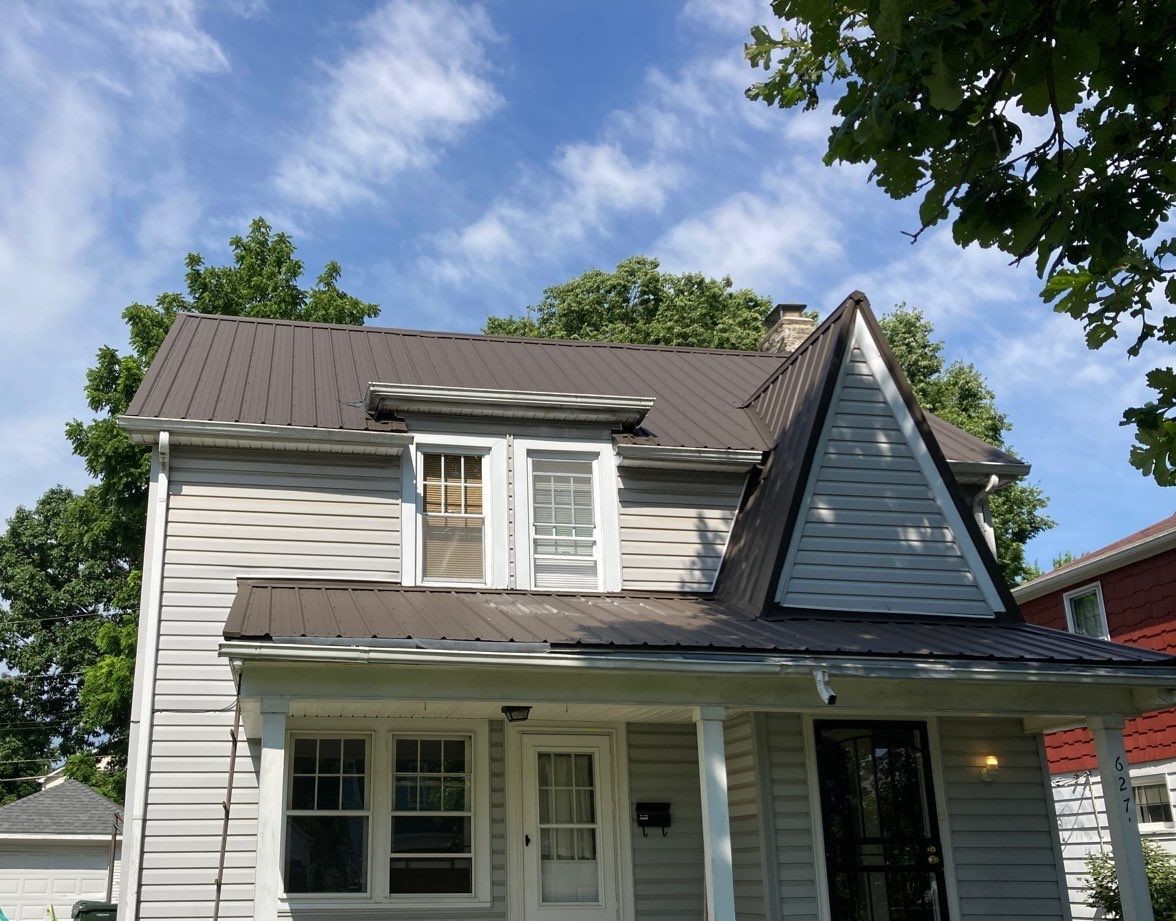
Metal & Asphalt Roofs • Free Inspections • Inspection Overview & Work Quote • Central Ohio Service
Start where you are
What do you need help with?
Not sure which situation fits? A free roof inspection is the simplest starting point. We can evaluate visible conditions and explain whether monitoring, repair, replacement or no immediate work appears appropriate.
Safety comes first
What to do immediately after a severe storm
Storm damage can create electrical, structural and fall hazards. Do not climb onto a wet, steep or visibly damaged roof. Stay away from fallen power lines, unstable trees, standing water near electrical equipment and rooms with sagging ceilings.
- Photograph visible exterior damage from a safe ground-level location.
- Photograph ceiling stains, dripping water and affected belongings.
- Move people and valuables away from active leaks when safe.
- Use containers to collect dripping water without touching electrical fixtures.
- Save receipts for reasonable steps taken to prevent additional damage.
- Avoid permanent repairs until the original condition has been documented.
- Call for a roof evaluation and review your insurance policy and deductible.

Do not let urgency become pressure
Severe weather often brings out-of-area door-to-door contractors. Take time to verify the company, understand anything you sign and obtain a written scope. A storm does not automatically mean that you need a new roof or should file a claim.
Recognize the evidence
Hail, wind, water and debris leave different clues
Hail Damage
Look for localized granule loss or bruising on asphalt shingles, dents in gutters and roof vents, damaged coatings, cracked accessories and consistent impact marks across exposed slopes.
Wind Damage
Wind can lift or crease shingles, break factory seals, displace ridge and edge pieces, loosen fasteners, shift metal panels and disturb flashing at walls, chimneys and dormers.
Water Intrusion
Ceiling discoloration, damp insulation, bubbling paint, musty odors and moisture near vents or chimneys can indicate that water traveled beyond the point where it first entered.
Debris Impact
Branches and airborne debris may puncture roofing, bend panels, crack shingles, damage decking, crush gutters or affect the structure beneath the visible roof surface.
Look beyond the roof: dents in gutters, downspouts, vents, air-conditioner fins, siding or window screens may confirm that a property was exposed to hail or wind. These clues support an inspection but do not by themselves determine the condition of the roof.
Material-specific evaluation
How storms affect asphalt shingles
Asphalt shingle damage is not always a hole or a missing tab. Hail can dislodge protective granules or bruise the mat beneath the surface. Wind can break the adhesive bond while leaving the shingle lying flat. Creasing, cracking and displaced ridge materials may show that the system has been stressed.
- Random impact marks or localized granule loss
- Soft or bruised areas in the shingle mat
- Lifted, creased, cracked or missing shingles
- Damaged ridge caps, pipe boots and flashing
- Granules concentrated near downspout outlets
- Exposed underlayment or decking
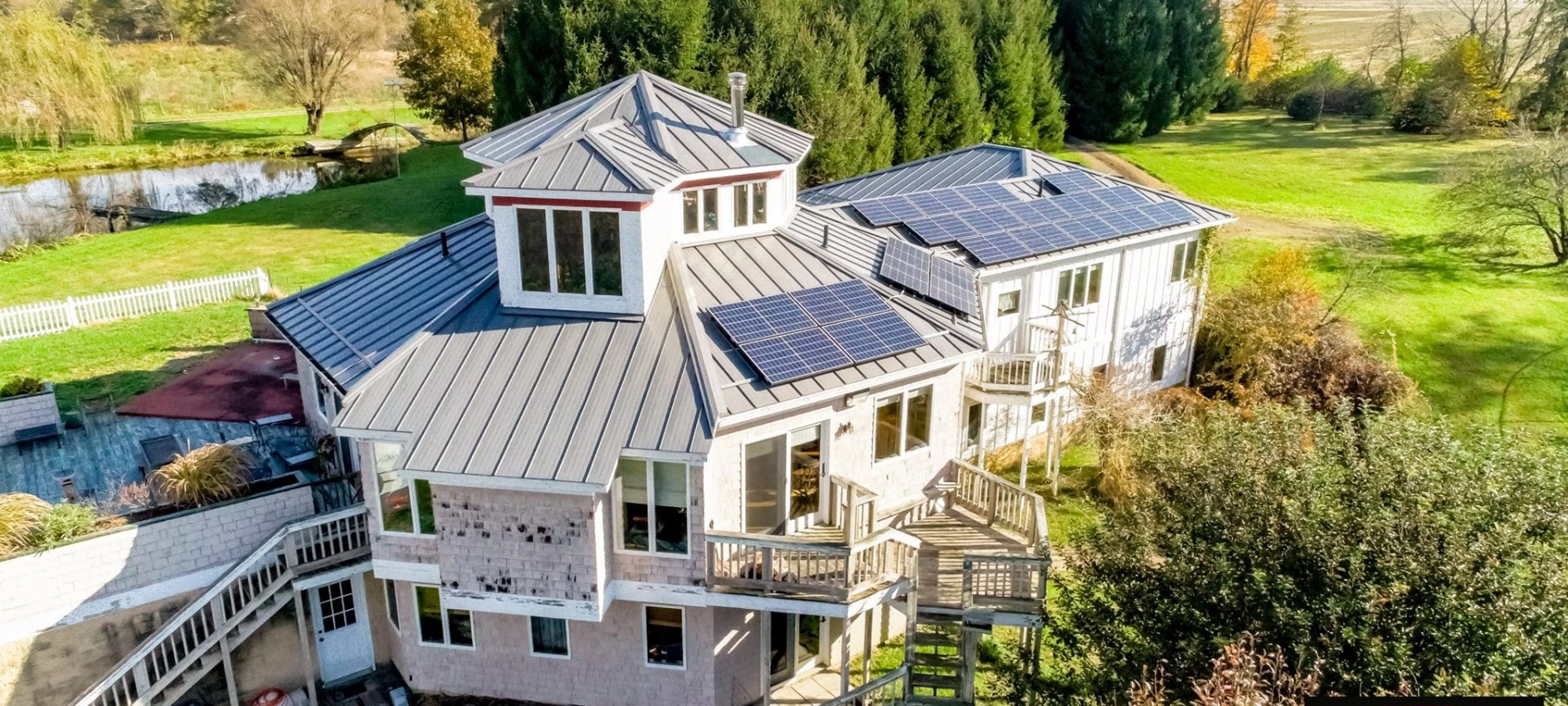
A qualified evaluation also considers normal aging, installation concerns, foot traffic and manufacturing conditions. Not every mark is storm damage, and not every storm-damaged shingle requires full roof replacement.
Our metal-roofing advantage
How storms affect metal roofing
A dent and a leak are not the same condition. A metal-roof inspection should distinguish appearance concerns from damage that affects seams, fasteners, flashing, coatings or the roof’s ability to shed water.
Standing Seam
Inspect seams, clips, panel movement, ridge and edge components, flashing, penetrations, surface coatings and any deformation that could interfere with drainage.
Exposed-Fastener Panels
Inspect fasteners, washers, elongated openings, panel laps, ridge pieces, sealants, flashing and areas where wind may have shifted or lifted the panel.
Stone-Coated Steel
Inspect coating and granule loss, panel deformation, overlaps, fastening points, ridge components and impact areas around valleys and transitions.
Whether an affected panel can be repaired or replaced depends on the system, panel profile, finish, fastening method, surrounding conditions and availability of compatible materials.
A clear process
What happens during a free storm damage inspection?
We discuss when the storm occurred, what you noticed, the roofing material and whether water is entering.
We examine visible roof surfaces and accessible details, along with gutters, flashing, vents, siding and other exterior clues.
Metal and asphalt systems fail differently. We look for conditions relevant to the roof that is actually installed.
We explain the visible conditions we found, what they may mean and whether further investigation is appropriate.
The next step may be monitoring, maintenance, targeted repair, replacement evaluation or no immediate work.
If work is appropriate, we can provide a quote based on the observed condition and proposed scope.
Insurance-related guidance
Understanding the roof insurance claim process
Coverage depends on your policy, deductible, exclusions, roof condition, cause of loss and the insurance company’s determination. The Metal Roof Company evaluates roofing conditions and proposed work; your insurer interprets the policy and decides coverage.
What we can do
- Inspect metal and asphalt roofing
- Provide an inspection overview
- Prepare a quote for recommended work
- Meet with an insurance adjuster when appropriate
- Provide resources and third-party contacts that may assist homeowners
- Explain roofing materials, repairability and construction scope
What we do not promise
- That every storm creates claim-worthy damage
- That a claim will be approved
- A specific insurance payment
- That the policy requires full replacement
- Legal or public-adjusting services
A typical sequence
- Review the policy and deductible.
- Document safely visible damage and arrange an inspection.
- Consider whether the observed conditions justify contacting the insurer.
- The homeowner reports the claim to the insurance company.
- The insurer assigns an adjuster and evaluates coverage.
- We can share roofing observations, proposed scope and a work quote and meet the adjuster when appropriate.
- Approved repair or replacement work is scheduled and documented.
For a deeper explanation, read How to File a Roof Insurance Claim in Ohio After Storm Damage.
The right scope
Can the roof be repaired, or does it need replacement?
The answer depends on material, age, installation, damage pattern, repairability, compatible product availability and the overall condition of the roof—not simply whether a storm occurred or a claim was opened.
| Repair may be appropriate when | Replacement may be considered when |
|---|---|
| Damage is isolated and accessible | Damage affects multiple slopes or key system components |
| Compatible materials are available | Existing materials cannot be repaired or reasonably matched |
| Surrounding roofing remains serviceable | The surrounding roof is near the end of its service life |
| A durable seal and attachment can be restored | A repair would disturb or weaken adjacent materials |
| Decking and structure appear sound | Decking or structural components are compromised |
| The system and manufacturer requirements permit repair | The system cannot be restored reliably with a limited repair |
If replacement is appropriate, compare standing seam, ribbed metal and stone-coated steel, explore our metal roof color guides and review the roof installation process.
Local accountability
Central Ohio roofing knowledge before, during and after the storm
The Metal Roof Company is a locally established roofing company serving homeowners throughout Central Ohio. We inspect and repair both metal and asphalt roofs and bring more than 20 years of roofing and building-trades experience to the conversation.
- Free inspections
- Metal and asphalt roof experience
- Inspection overview and clear next steps
- Quotes for recommended work
- Adjuster meetings when appropriate
- Resources and third-party assistance
- Owner-level accountability
- No guaranteed insurance outcomes
Serving all of Central Ohio
Straight answers
Storm Damage Roofing FAQs
How can I tell whether my roof has storm damage?
Missing materials, bent flashing, dented gutters, granules near downspouts and interior stains are visible warning signs. Hail bruising, broken shingle seals, loose fasteners and disturbed seams may require an accessible professional inspection.
Can hail damage a metal roof?
Yes. Hail can dent panels, affect coatings and damage flashing or roof accessories. An inspection should distinguish cosmetic changes from conditions that interfere with seams, attachment or water shedding.
Can wind damage a roof without removing shingles or panels?
Yes. Wind may break shingle adhesive seals, crease materials, loosen fasteners, shift panels or disturb flashing without leaving an obvious opening visible from the ground.
Should I climb onto the roof to inspect it?
No. Wet, steep and damaged roofs create serious fall hazards. Photograph only what you can safely see and arrange a professional inspection.
Are storm damage inspections free?
Yes. The Metal Roof Company offers free roof inspections across Central Ohio.
Do you inspect and repair both metal and asphalt roofs?
Yes. We inspect and repair residential metal and asphalt roofing systems.
Should I file an insurance claim before the roof inspection?
Review your policy and deductible and contact your insurer when appropriate. An inspection may help establish whether visible conditions appear consistent with storm damage and whether repair or replacement work should be considered. The insurer determines coverage.
Can you meet with my insurance adjuster?
Yes, we can meet with an adjuster when appropriate to discuss observed roofing conditions, materials and the proposed construction scope.
What will I receive after the inspection?
We provide an overview of the inspection findings and can prepare a quote for recommended repair or replacement work.
What if the inspection finds no storm damage?
Then we will explain what we observed and whether monitoring, maintenance or no immediate action appears appropriate. An inspection does not obligate you to complete work or file a claim.
How quickly can an inspection be scheduled?
Scheduling depends on weather conditions and current demand. Priority scheduling may be available following severe storms or when active water intrusion is reported.
Keep learning
Continue with the answer that fits your situation
After the Storm
Follow a practical homeowner checklist after severe Central Ohio weather.
Insurance Questions
Understand documentation, adjuster visits and the general Ohio claim sequence.
Repair or Replace?
Review the conditions that can make replacement more practical than another repair.
Also explore professional roof inspections, metal roof installation, Central Ohio metal roof colors and our complete roofing resource library.
Find Out What the Storm Actually Did to Your Roof
A storm does not automatically mean replacement. A free inspection can help determine whether the right next step is monitoring, repair, replacement or no immediate work.
Tell us what happened
Request Your Free Storm Damage Inspection
Include the property address, approximate storm date, roof type if known and whether water is currently entering the home.

4200 Regent St, Suite 200, Columbus, OH 43219
614-721-7663 · metalroof@servicecenterpros.com